
Some places ask to be seen quickly. Penang rewards the opposite. Its cultural life is layered – port city, trading post, spiritual centre, food capital, living neighbourhood – and the best visits are shaped less by rushing between landmarks than by noticing how one story leads into another. This guide to Penang cultural attractions is designed for travellers who want that fuller experience: heritage with context, beauty with meaning, and a sense of why this island continues to hold such lasting fascination.
How to use this guide to Penang cultural attractions
The most rewarding way to approach Penang is by theme rather than by checklist. George Town’s streets can present museums, temples, mosques, churches, shophouses and cafés within a few minutes’ walk of one another, so it helps to think in cultural layers. One morning might be devoted to maritime history and trade, another to faith and ritual, and another to domestic heritage and foodways.
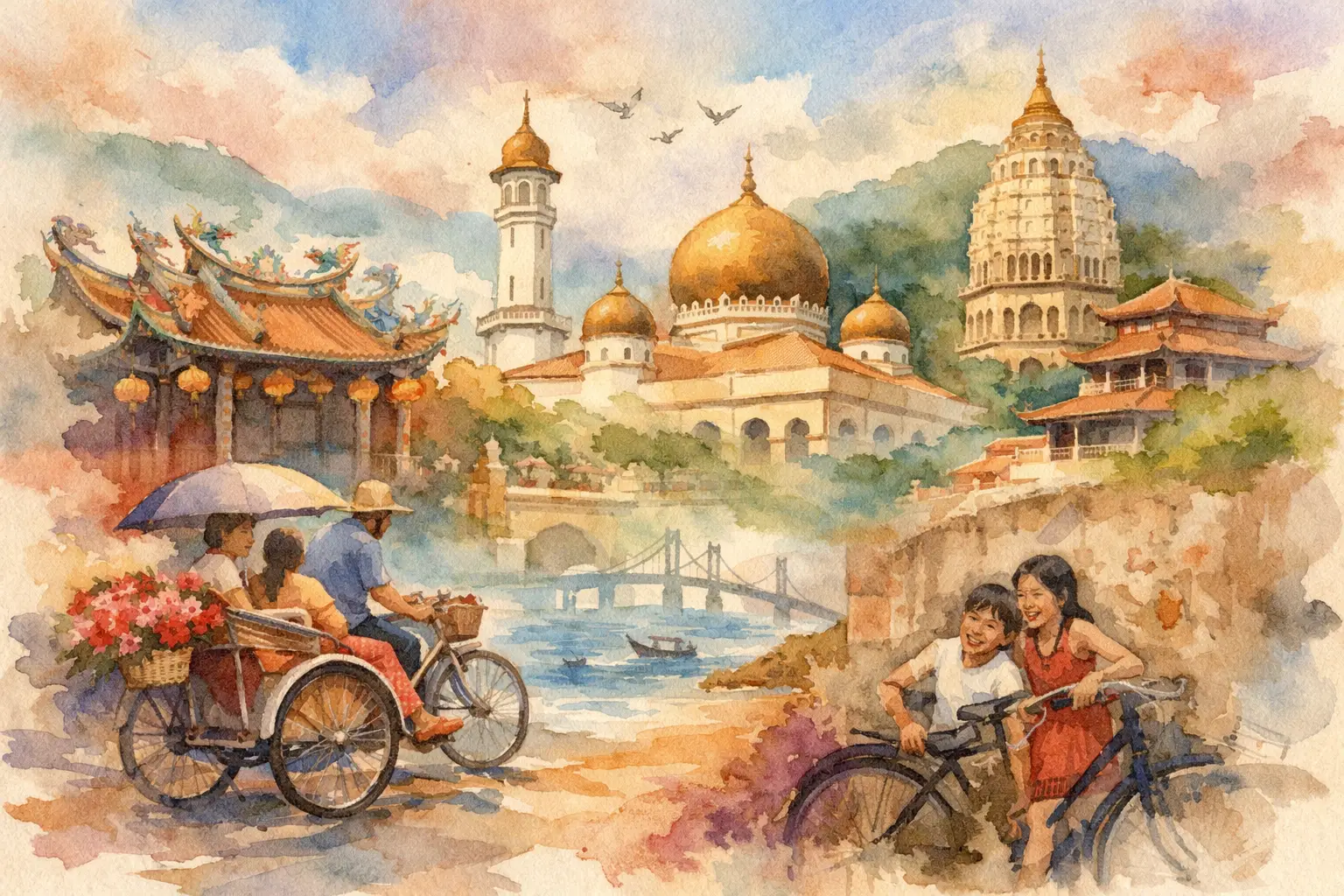
That matters because Penang’s appeal is not built on monuments alone. Its cultural significance comes from exchange – between seafarers and merchants, between Chinese, Malay, Indian, Peranakan and Eurasian communities, and between everyday life and high craftsmanship. A beautiful building here is rarely just a beautiful building. It is usually evidence of a larger story.
Start with George Town’s historic streets
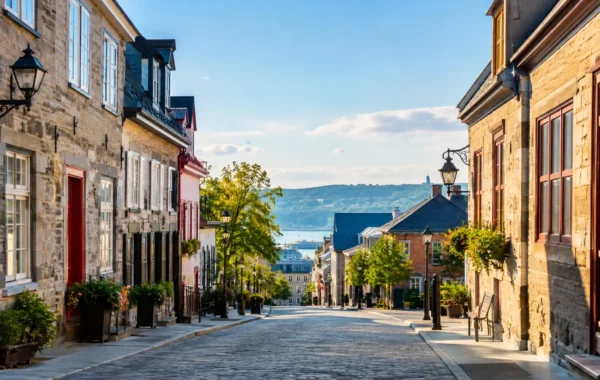
For many visitors, the old quarters of George Town remain the natural starting point. The streets are visually striking, certainly, but their real power lies in how much they reveal about commercial and social life in a historic port. Shophouses, five-foot ways and community buildings still show the practical rhythm of a city shaped by trade.
Walking these streets is one of the easiest ways to understand Penang’s cultural character. You will see Chinese clan associations, Indian Muslim businesses, colonial civic architecture and traditional trades existing within the same urban fabric. The result feels lived-in rather than staged, which is part of the city’s distinction.
It is worth slowing down in the smaller lanes rather than only seeking the most photographed corners. Street art and famous facades draw crowds, but the quieter details often say more: carved timber shutters, old signboards, a shrine tucked beside a workshop, the scent of incense meeting the aroma of lunch service. Penang rewards attention.
Museums that explain the island, not just display it
A strong museum visit can turn a pleasant stroll into a meaningful one. Penang has no shortage of heritage sites, yet the most memorable cultural attractions are often those that give shape to the island’s wider story – migration, craftsmanship, ritual, collecting and maritime exchange.
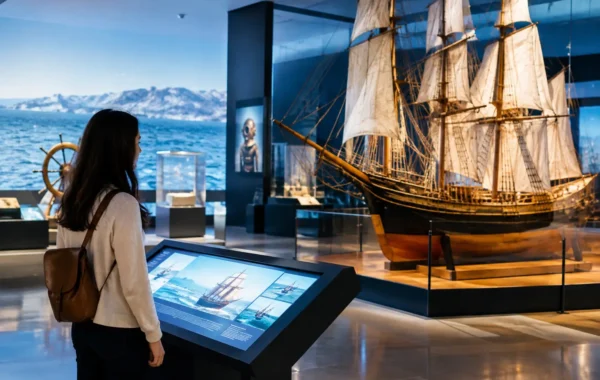
This is where specialised museums matter. Penang was never culturally important in isolation; it was part of regional routes that moved goods, beliefs and aesthetics across Asia. Maritime collections, in particular, add depth because they remind visitors that the island’s heritage did not arrive only overland or through colonial administration. It arrived by sea.
Within that context, a visit to Straits & Oriental Museum offers a particularly refined lens. As Penang’s first museum of its kind and Malaysia’s first integrated heritage and lifestyle museum, it presents rare shipwreck ceramics and porcelain not as static relics but as part of a wider story about trade, artistry and the splendour of material culture. For visitors who appreciate both scholarship and atmosphere, it is a compelling example of how a cultural outing can combine historical depth with contemporary hospitality.
The trade-off, if there is one, is that not every museum suits every traveller. Families with young children may prefer places with more interactive pacing, while collectors and history enthusiasts may enjoy spending longer with objects and interpretation. Penang accommodates both, which is one reason its cultural offer feels unusually complete.
Temples, mosques and churches as living heritage
One of Penang’s greatest cultural strengths is that its religious landmarks are not simply preserved sites. Many remain fully active, which changes the visitor experience in important ways. You are not looking at a former world. You are stepping, respectfully, into a present one.
Chinese temples often draw attention first, with their richly layered ornament, lanterns, altars and rooflines. Yet their significance extends beyond aesthetics. They speak to migration, kinship, patronage and local identity. Clan temples in particular can reveal how communities organised support, memory and belonging in a growing port city.
Mosques and churches contribute equally to the island’s plural character. Their architecture reflects different eras and influences, but more importantly, they show how Penang developed through coexistence rather than cultural uniformity. Visitors who take time to notice these institutions as living centres of community, rather than mere photo opportunities, usually come away with a more grounded understanding of the island.
There is, however, a basic courtesy to remember. Opening hours, dress expectations and visitor access can vary, especially during prayer times or religious observances. Penang is welcoming, but reverence should always come before convenience.
Clan houses and domestic heritage
If public architecture tells the story of power and community, domestic heritage reveals something more intimate: taste, aspiration and the rituals of family life. Penang’s clan houses and heritage homes are among its most revealing attractions because they show how wealth, status and cultural memory were expressed through space.
Courtyards, carved screens, imported tiles and ceremonial halls all point to a world where architecture carried social meaning. These places are often admired for their beauty, and rightly so, but they are most interesting when read as evidence of how diasporic communities rooted themselves in Penang while maintaining links to older traditions.
This is also where visitors can see the island’s hybrid identity most clearly. Penang heritage is not a single style. It is a conversation between influences – Southern Chinese, Malay, European, South Asian and Straits-born sensibilities – brought together through trade and settlement. That fusion gives many of its cultural sites their distinctive elegance.
Food as a cultural attraction in its own right
In Penang, food is not a break from culture. It is culture. To treat it as secondary is to miss one of the island’s most expressive forms of heritage. Recipes here carry memory, migration and adaptation in every bowl and plate.
What makes Penang especially compelling is that food culture works on several levels at once. Hawker centres and coffee shops preserve everyday traditions with remarkable intensity, while more curated dining spaces can frame the same culinary inheritance in a different register. Neither is inherently better. It depends on what you value – immediacy and bustle, or atmosphere and interpretation.
For first-time visitors, the temptation is to chase only the famous dishes. There is pleasure in that, but a more rewarding approach is to notice patterns: how Chinese, Malay and Indian influences meet; how spice, acidity and texture are balanced; how local pride attaches to even modest stalls. Penang’s cultural confidence is nowhere more democratic than at the table.
Art, craft and the contemporary cultural scene
A guide to Penang cultural attractions would be incomplete without acknowledging that the island is not preserved in amber. Alongside its heritage institutions, Penang has a contemporary arts and design scene that adds energy to the historic setting. Galleries, temporary exhibitions, craft-led retail and cultural events keep the conversation between past and present active.
This is an important distinction. Some heritage destinations become overly dependent on nostalgia, offering visitors a beautiful but flattened version of local identity. Penang is more interesting because it still generates new cultural expression. Traditional craft sits beside contemporary visual art. Historic buildings host modern hospitality. Collecting and connoisseurship coexist with casual tourism.
For travellers, that means the best day is often one that mixes modes. A morning in a museum, an afternoon among heritage streets, and an evening meal shaped by local culinary traditions can feel more complete than a day spent only ticking off famous landmarks.
What to prioritise if time is short
If you have only a day, focus on range rather than volume. Choose one museum that gives historical context, one or two active religious or community landmarks, time on foot in George Town’s historic core, and a meal that reflects Penang’s layered food culture. That combination offers a truer impression than trying to see everything.
If you have longer, allow for return visits and unstructured wandering. Penang’s cultural attractions are not only about access but about accumulation. The second temple may help you understand the first. A museum collection may suddenly make sense after you notice old trade references on a street sign or decorative motif. Cultural understanding here tends to build gradually.
The finest way to experience Penang is to leave room for those connections. Come for the landmarks, certainly, but stay alert to the currents beneath them – the sea routes, the communities, the craftsmanship, the rituals and the pleasures of a place that still knows how to celebrate history, food and a good story.