
A porcelain bowl raised from the sea can hold far more than tea. It can reveal the taste of an imperial court, the reach of a trading route and the human ambition behind a voyage that never reached its destination. Straits and Oriental Museum is one of the most distinctive things to do in Penang because it brings those stories ashore, placing authentic shipwreck ceramics at the heart of a richer cultural day out.
For visitors to George Town, the appeal is immediate. This is not a conventional collection of objects behind glass, followed by a quick exit. It is a heritage and lifestyle destination where maritime archaeology, art, conversation, food and collecting meet. The experience invites visitors to slow down and see Penang not merely as a city of streets and shophouses, but as a historic port shaped by the movement of people, goods and ideas across Asia.
Why Straits and Oriental Museum belongs on a Penang itinerary
Penang’s heritage is often encountered through architecture and cuisine. Both are essential, yet the island’s maritime history deserves equal attention. For centuries, the Straits of Malacca connected trading worlds from China, Southeast Asia, India and beyond. Ships carried spices, textiles, timber, tea and vast quantities of ceramics. When some of those ships were lost, their cargoes remained protected beneath the water for centuries.
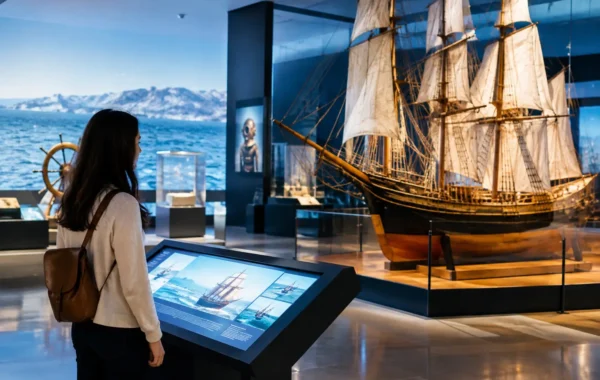
The museum presents porcelain and ceramic artefacts recovered from important Asian shipwrecks, including the Wanli, Turiang, Royal Nanhai, Nanyang, Xuande and Desaru wrecks. These are not decorative reproductions designed to suggest the past. They are original objects with a direct connection to the trade networks that helped define this region.
That authenticity changes the experience. A dish, jar or ewer becomes evidence of a journey: made in one place, purchased or commissioned for another, carried across hazardous seas, then unexpectedly preserved by a shipwreck. The marks of firing, glaze, age and underwater recovery are part of the story. Visitors do not need specialist knowledge of ceramics to feel the power of that connection.
A journey through maritime history, told in porcelain
Porcelain is often admired for its beauty, but its historic importance goes deeper. It was a prized commercial product, valued across cultures for its durability, workmanship and status. Different shapes travelled for different purposes. Storage vessels supported life on board and trade at destination ports; bowls and plates answered daily demand; finer wares communicated prestige, ceremony and taste.
The shipwreck collections offer a tangible way to understand this commerce. Their value lies not only in individual pieces but in the wider picture they create. Cargoes can show what was being moved in volume, which forms were popular and how distant markets influenced the objects produced in Chinese kilns. A single display can therefore connect craftsmanship with economics, diplomacy and everyday life.
For history enthusiasts, this makes the visit particularly rewarding. Instead of reading about maritime trade as an abstract timeline, visitors encounter the material record of it. Families and first-time museum-goers will find the subject accessible too, because every object begins with an intuitive question: how did this fragile item travel so far, and why did it matter enough to carry across the sea?
There is also a useful sense of scale. Southeast Asia was never a distant edge of the historical world. It was central to it. The sea routes passing through this region sustained exchanges of wealth, design, belief and technology long before modern globalisation acquired a name.
More than a museum visit
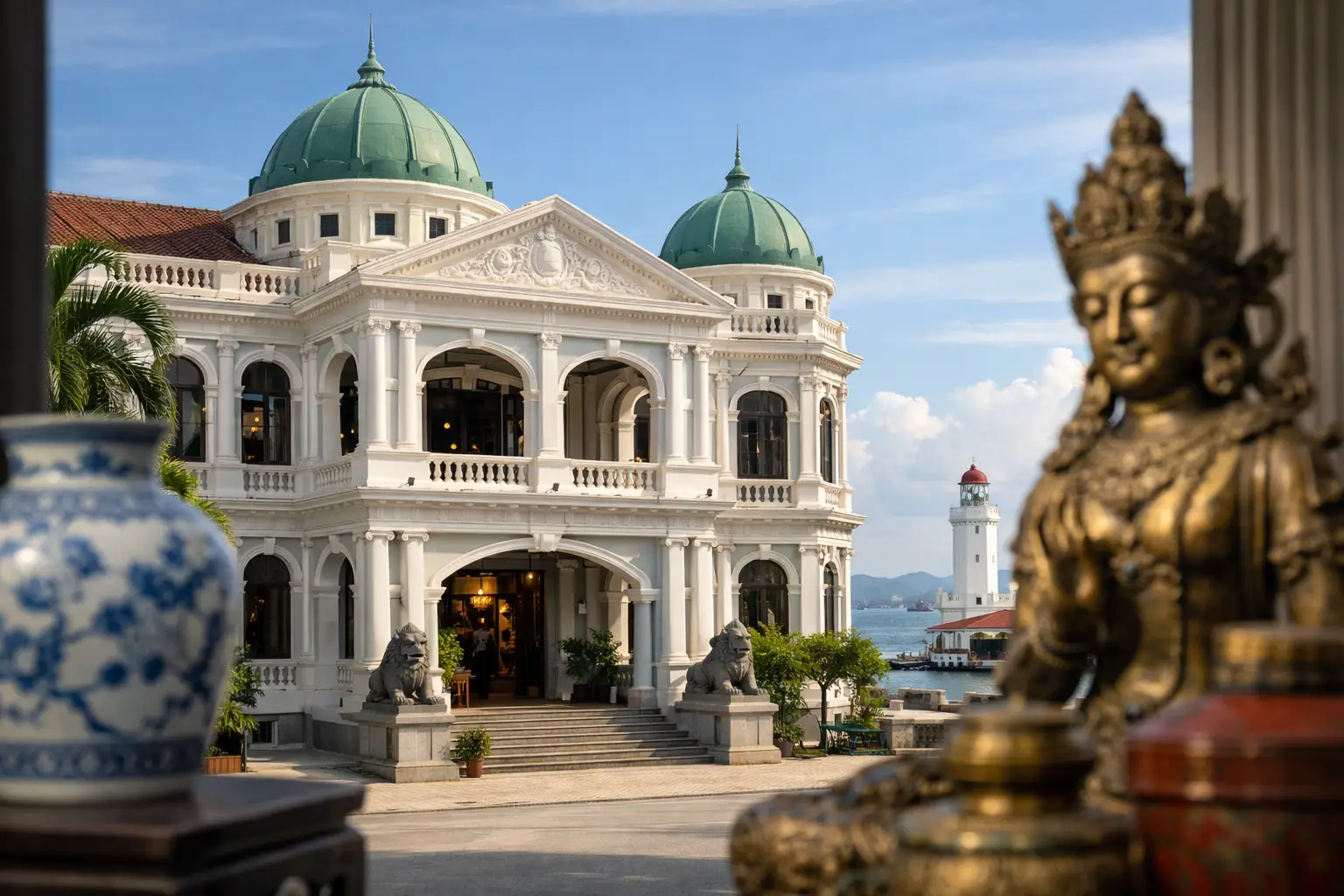
What distinguishes Straits & Oriental Museum is its integrated approach to heritage. Malaysia’s first integrated heritage and lifestyle museum is designed for visitors who want cultural substance without treating a museum as a duty to complete between other plans.
The museum, gallery and exhibition spaces provide the historical foundation. Around them, restaurant and café concepts, bar offerings and a gift house extend the visit into a more relaxed and sociable occasion. This matters especially for couples, groups and families travelling together, where not everyone will want to spend an identical amount of time reading labels or studying displays.
One person may be drawn to the history of the Royal Nanhai cargo, while another may linger over the visual qualities of a celadon glaze or make time for a drink afterwards. The venue makes room for both. It treats culture as something to be shared, discussed and enjoyed rather than consumed in silence.
This does not dilute the heritage experience. When done well, hospitality gives visitors the time and setting to reflect on what they have seen. A museum visit that continues over a meal or coffee can become a conversation about the objects, the city and the journeys that brought them here. That is a more lasting form of engagement than rushing through a gallery before moving on.
What to notice when viewing shipwreck ceramics
The most rewarding way to approach the collections is to look beyond whether a piece appears ornate or simple. Some of the most revealing objects are everyday wares made for use rather than display. Their presence tells us that maritime trade served broad communities, not only elites.
Start with form. Notice whether an object is a bowl, dish, jar, kendi, ewer or storage vessel. Its shape offers clues about how it might have been used, packed and valued. Then consider decoration. Blue-and-white painting, monochrome glazes, floral motifs and carefully modelled details were all shaped by changing tastes, production methods and overseas demand.
Condition is equally significant. A piece may carry signs of centuries underwater, but these traces should not be mistaken for shortcomings. They are part of its biography. Unlike an antique that passed neatly through generations in a private home, a recovered shipwreck ceramic has survived a far more dramatic passage through time.
Visitors with an interest in collecting may also appreciate the chance to develop a more discerning eye. Authenticity, provenance, period, workmanship and condition all affect how ceramics are understood and valued. The museum setting offers a rare opportunity to see historic material presented within the bigger story of maritime archaeology, rather than as an isolated decorative object.
A considered stop for different kinds of travellers
The museum suits several types of Penang visitor, though the best way to experience it depends on your pace. Cultural travellers can make it a focal point of a heritage day in George Town, allowing time to absorb the galleries rather than treating them as a brief diversion. Those already familiar with Penang’s food and architecture will find a valuable new perspective on the port city’s regional significance.
For couples, the setting offers a more refined alternative to another afternoon of sightseeing. The combination of history, art and hospitality creates an occasion rather than simply an activity. For families, the shipwreck narrative brings a natural sense of discovery: objects were lost beneath the waves, recovered long afterwards and now help tell a story of commerce across Asia.
International visitors may find it especially useful as an introduction to the region’s interconnected past. Penang’s character can be felt in its living multicultural streets, but the collections explain why such connections developed. Trade did not only bring goods. It brought languages, customs, culinary influences and artistic ideas that still shape the island.
A shorter visit can still be satisfying if time is limited, particularly for travellers choosing between several attractions. Yet it is worth leaving room for the full experience. This is a place that reveals more when visitors are unhurried, from the close observation of a ceramic detail to the pleasure of extending the visit with food, drink or a thoughtful memento.
Make the visit part of a wider George Town day
The strongest Penang itineraries balance movement with moments of pause. After walking heritage streets in the heat, a museum visit offers a welcome change of rhythm while keeping visitors connected to the city’s cultural fabric. It is also well suited to an afternoon when the question is not simply what to see next, but where to spend meaningful time.
Before arriving, consider what will make the visit most enjoyable for your group. History-minded visitors may want to focus on the shipwreck names, dates and trade contexts. Design lovers may prefer to compare forms, glazes and decorative traditions. Those travelling with children can turn the galleries into a simple game of observation: which object looks most practical for a long sea voyage, and which looks like it belonged at a grand table?
The best souvenir from a heritage destination is often not the thing bought at the end. It is the new lens it gives you. After seeing these recovered ceramics, the waters around Penang can feel less like a scenic backdrop and more like a historic highway – one that carried the splendour of porcelain, and countless human stories, across the world.