
Some gifts are opened, admired and quietly forgotten by the following season. Antique gifts tend to do something rarer – they stay in a home, enter a conversation and carry their story with them for years. If you are searching for the best places for antique gifts, the real question is not simply where to buy, but where history is presented with care, credibility and a sense of occasion.
That distinction matters. An antique given well feels thoughtful in a way that newer luxury goods often cannot match. It suggests discernment, an eye for craftsmanship and, above all, an appreciation for objects that have lived a life before arriving in someone else’s hands. Yet buying antiques as gifts can also feel uncertain. Authenticity, condition, provenance and taste all come into play. The best source depends on who you are buying for and what sort of story you want the object to tell.
What makes the best places for antique gifts?
Not every antique seller is equally suited to gift buying. A specialist collector may happily spend hours sorting through obscure marks, restoration notes and comparative dating. A gift buyer usually needs something more refined – a place where selection is curated, the history is legible and the object still feels emotionally immediate.
The best places tend to share three qualities. First, they are selective rather than overcrowded. A carefully edited collection helps you see what is truly special instead of forcing you to sift through endless quantity. Second, they offer context. Whether that comes through expert staff, exhibition-style presentation or clear provenance, context transforms an old object into a meaningful gift. Third, they understand presentation. A beautiful antique deserves to be purchased in an environment that treats it as more than stock on a shelf.
This is why heritage destinations and museum-adjacent gift spaces can be especially compelling. They sit at the intersection of scholarship and experience. When an object is presented alongside historical storytelling, it becomes easier to choose a gift that feels both authentic and personal.
The best places for antique gifts, depending on the buyer
A serious antique fair is often ideal for seasoned collectors. These events bring together specialist dealers and can offer remarkable breadth, from silver and furniture to porcelain and decorative arts. The advantage is expertise and range. The trade-off is that fairs can be overwhelming if you are buying for someone with broad tastes rather than a very precise collecting interest.
Independent antique shops are usually the most approachable option for general gift buying. Their scale makes conversation easier, and a good dealer will guide you towards pieces that suit both budget and purpose. You are more likely to find elegant boxes, small ceramics, framed prints or table objects that work beautifully as gifts without requiring the recipient to rearrange an entire room.
Auction houses can be rewarding, especially if you know the recipient’s taste well and have the patience to research. There is excitement in acquiring a piece through auction, and sometimes real value can be found. Even so, auctions are less forgiving for casual buyers. Condition reports, buyer’s premiums and the possibility of bidding beyond budget make them better for informed shoppers than spontaneous gift seekers.
Estate sales and flea markets appeal to those who enjoy the thrill of discovery. They can yield unusual finds with genuine character, and they often reward a sharp eye. But they are less dependable if you need certainty. For gifting, uncertainty over restoration, age or origin can turn a romantic purchase into a risky one.
Museum shops and heritage-led retail spaces occupy a more distinctive position. When curated thoughtfully, they offer objects that feel selected rather than merely sourced. They speak to travellers, culturally curious buyers and anyone who wants a gift with narrative value. In settings where artefacts, exhibitions and collecting culture meet, the purchase feels connected to a broader journey through history.
Why provenance matters more than novelty
A common mistake in antique gift buying is choosing the most decorative object rather than the most convincing one. Beauty matters, of course, but provenance gives an antique its depth. A porcelain piece linked to a known period, region or trade route often carries greater emotional weight than something visually pleasing but historically vague.
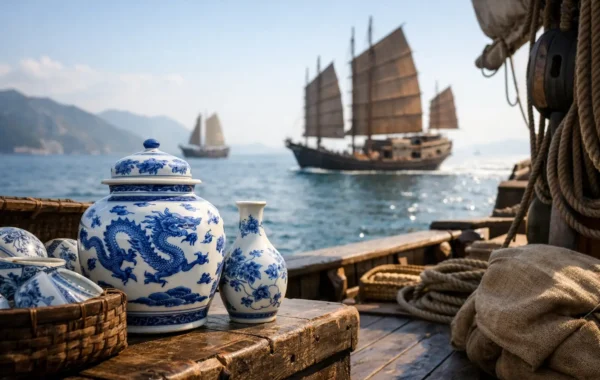
For this reason, ceramics, small decorative wares and objects tied to maritime exchange often make particularly memorable gifts. They are displayable, rich in story and widely suited to modern interiors. A recipient may not need another ornamental object, but they may treasure a piece that reflects centuries of craftsmanship and movement across the seas.
In a destination shaped by trade, migration and layered cultural exchange, that storytelling becomes even more resonant. Institutions such as Straits & Oriental Museum show how antique and collection culture can be elevated when objects are interpreted through place, history and visual splendour. For gift buyers, that approach offers something valuable – confidence that the object’s appeal rests not only in age, but in meaning.
How to judge whether a place is trustworthy
The setting itself tells you a great deal. Reputable dealers and heritage retailers do not need to oversell. They are usually clear about age, condition and whether a piece has been restored. If staff avoid direct questions or rely on vague phrases such as old style or museum quality without explanation, proceed carefully.
Look for evidence of expertise without intimidation. The best places for antique gifts make knowledge accessible. They explain why a ceramic glaze matters, why a certain motif belongs to a particular era, or how wear can confirm use rather than damage. This kind of interpretation helps buyers make decisions with assurance.
Presentation also counts. An object displayed with care suggests that its custodians understand value beyond price. Clean labelling, thoughtful arrangement and a sense of restraint are often good signs. Cluttered environments can still hide treasures, but for gift buying, clarity is usually your friend.
Choosing the right antique gift for different recipients
The most successful antique gifts sit comfortably between personal taste and historical interest. For someone who enjoys hosting, consider tableware, serving pieces or decorative ceramics that can be used rather than merely admired. For a design-minded recipient, a small sculptural object, antique mirror or framed print may be more suitable.
Travellers and culturally curious recipients often respond especially well to objects with regional character. Pieces tied to maritime trade, Asian ceramic traditions or colonial-era craftsmanship can feel deeply rooted in place while remaining elegant in contemporary homes. They carry a sense of journey, which makes them ideal for commemorating a visit or marking an important occasion.
If the recipient is new to antiques, smaller items are often wiser than large statement pieces. A lidded box, porcelain dish, desk object or antique book can introduce the pleasure of collecting without demanding specialist care or too much space. If they are already collectors, you can afford to be more specific, but only if you understand their preferences. Enthusiasts tend to be discerning.
When an antique shop is not enough
Sometimes the best place to buy an antique gift is not a conventional shop at all. It may be a museum destination, a heritage house or a cultural venue where objects are framed by exhibitions, dining and conversation. This matters because gift buying is often emotional. People remember how they found a gift almost as much as the gift itself.
An integrated cultural setting offers a fuller experience. You do not simply buy an object – you encounter its world. You see related forms, absorb the historical atmosphere and come away with language to explain why the piece matters. For visitors and collectors alike, this turns purchase into participation.
That is especially true for antique gifts connected to ceramics and maritime history. Such objects gain power from context. A bowl or plate is never just a bowl or plate when you understand the voyage, exchange and craftsmanship behind it.
A final thought before you buy
The finest antique gifts are rarely the grandest or the most expensive. They are the ones chosen from places that respect history and know how to present it beautifully. If a piece makes you pause, ask a question and imagine the delight of passing its story on, you are probably in the right place.