
A museum shop used to be the final stop – pleasant, useful, and often separate from the exhibition itself. That is no longer the case. The most compelling trends in museum retail experiences now begin well before a visitor reaches the till, shaping how heritage is felt, remembered and taken home.
This shift matters because visitors no longer see culture and commerce as opposing forces when both are handled with care. They expect the retail offer to extend the story, not interrupt it. In the strongest museums, a purchase feels less like an add-on and more like a continuation of the visit – a way to hold onto a place, a narrative or a moment of discovery.
Trends in museum retail experiences are becoming more story-led
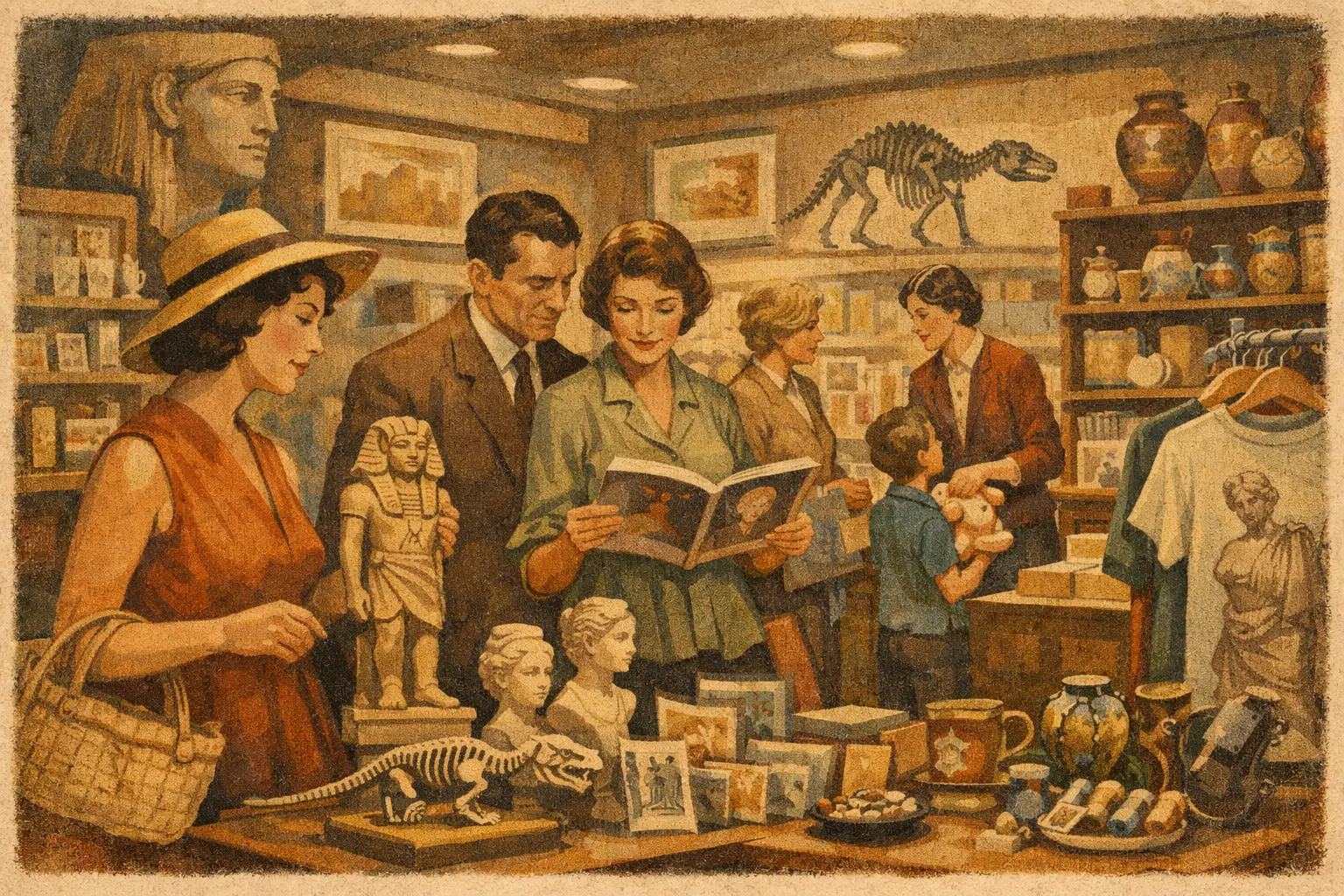
The clearest change is that retail is moving away from generic souvenirs and towards interpretation through objects. Visitors are increasingly drawn to pieces that carry context – ceramics inspired by historical forms, books that deepen an exhibition theme, tableware that reflects a region’s craftsmanship, or gifts that echo a collection’s visual language. What people want is not simply memorabilia. They want meaning.
This is especially true in museums built around material culture. When collections are visually rich and historically layered, the shop has an opportunity to become a curated extension of the gallery. A porcelain vessel, for instance, can inspire contemporary design, while a maritime collection can shape everything from homeware to stationery and collectables. Retail then becomes part of the storytelling architecture.
There is, however, a balance to strike. If products are too literal, they risk feeling repetitive. If they are too detached from the collection, the sense of authenticity weakens. The best museum retail programmes sit between those extremes, interpreting heritage with confidence while keeping quality high enough to satisfy discerning visitors.
The museum shop is now part of the destination
Another major development is the rise of the museum as a full cultural outing rather than a single-purpose visit. Retail increasingly sits alongside dining, exhibitions, events and social spaces as part of a broader experience. For visitors, this creates a more generous rhythm. They may arrive for an exhibition, pause for coffee, browse a gift house, return for a special event, and leave feeling that the destination offered far more than a conventional gallery circuit.
This integrated model is particularly effective in heritage destinations where visitors are already looking for depth, atmosphere and a sense of place. A museum that combines curated retail with hospitality can create a more memorable day out, especially for families, travelling couples and international guests who want both cultural substance and leisure. It reflects a wider truth in tourism – people remember how a place made them feel as much as what it displayed.
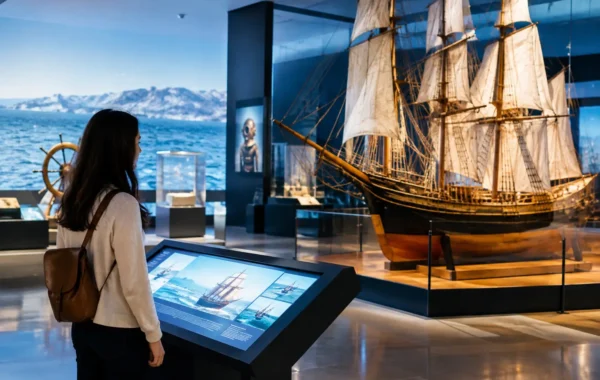
For a venue such as Straits & Oriental Museum, this model feels especially natural. A collection centred on maritime history and recovered ceramics already carries drama, rarity and visual allure. When retail, food and exhibition design are aligned, the entire visit can feel like one continuous journey through trade, craft and regional memory.
Design matters as much as merchandise
One of the less obvious trends in museum retail experiences is the growing importance of spatial design. Visitors respond strongly to shops that feel considered, elegant and in keeping with the institution’s identity. A well-designed retail space does more than showcase products. It signals taste, authority and trust.
This is where many museums are becoming more sophisticated. Retail areas are being treated less like utility zones and more like curated interiors, with better lighting, stronger visual merchandising and clearer thematic organisation. Products are grouped by story, maker, material or exhibition relevance rather than simply by price point. This makes browsing feel exploratory rather than transactional.
The commercial effect can be significant, but the reputational effect is just as important. If the museum positions itself as refined and culturally serious, the retail environment must support that promise. Visitors notice inconsistency very quickly. A world-class collection paired with a careless shop arrangement creates friction. A thoughtfully presented shop, by contrast, reinforces the museum’s authority.
Visitors are buying fewer throwaway items
Another notable shift is towards selective purchasing. Many visitors are happy to spend, but they are more discerning than before. They would rather buy one beautiful, useful or collectible object than several novelty items with little longevity. This suits museums well, provided the retail mix is carefully edited.
In practice, this means quality over clutter. Limited editions, artisan-made goods, exhibition-linked objects and well-designed homeware often perform better than shelves crowded with interchangeable souvenirs. It also means museums need to understand different buying motivations. A family may want accessible keepsakes, while a collector may be seeking rarity and provenance. A tourist may value portability, while a design-conscious visitor may care most about craftsmanship.
That range requires curation, not excess. More stock does not always create more value. Often, it does the opposite.
Local identity is becoming central to retail strategy
Museums are increasingly expected to root their retail offer in place. Visitors want to feel they are taking home something connected to the destination rather than a generic cultural product that could be found anywhere. This is one of the most meaningful developments in the sector because it pushes retail closer to heritage stewardship.
For museums in historic port cities or culturally layered destinations, local identity offers rich material. Regional craft traditions, culinary references, trading histories, architectural motifs and archival imagery can all inform product development. When done well, this strengthens both the visitor experience and the local creative economy.
Yet here too, judgement matters. Not every locally themed product is automatically compelling. The strongest offers avoid cliché and instead translate place through detail, material and story. Visitors can tell when an item has been thoughtfully developed and when it has merely been branded.
Collaboration is shaping the next phase
One reason museum retail feels more distinctive today is the rise of collaboration. Museums are working with artists, designers, craftspeople and specialist makers to create products that feel exclusive and culturally grounded. These partnerships can produce fresher work than an off-the-shelf buying strategy ever could.
For the visitor, collaboration adds value because it introduces a sense of discovery. For the museum, it helps bridge scholarship, design and commerce. It can also bring contemporary relevance to historic collections, showing how the past continues to inspire modern making.
There are practical considerations, of course. Collaborative products often require more development time, clearer quality control and stronger stock planning. They may also carry higher price points. But when they are aligned with the museum’s identity, they can elevate the retail offer far beyond standard gift shop expectations.
Retail is becoming more emotionally intelligent
Museums are paying closer attention to how visitors move through a space and when they are most receptive to buying. This is less about pressure selling and more about emotional timing. After encountering a powerful exhibition, many visitors want a moment to reflect, extend the experience or choose something that helps them remember it. Retail can serve that need gracefully if it is integrated with the visit rather than imposed upon it.
This is why the best museum retail experiences feel calm, intuitive and hospitable. Staff knowledge matters. Packaging matters. Product notes matter. Even the transition from gallery to shop matters. Each detail affects whether the visitor feels invited or handled.
Increasingly, museums understand that retail is part of visitor care. A well-chosen object can deepen memory, support learning and prolong the pleasure of a visit. That is a very different philosophy from simply maximising spend per head.
What these trends mean for the future
Museum retail is becoming more confident about its cultural role. It is no longer merely there to monetise footfall. At its best, it interprets collections, supports local makers, reflects place, and gives visitors a refined way to continue the story once they leave.
Not every institution will pursue the same model. Some will focus on collectables, others on design, family gifting or exhibition publishing. Some will build retail into a broader lifestyle destination, while others will keep it quieter and more scholarly. What matters is coherence. The product mix, the environment and the narrative should all feel as though they belong to the same institution.
For visitors, that coherence is what turns a shop into part of the memory. And for museums with rare collections and a strong sense of identity, it is an opportunity to let heritage live beyond the gallery – in the home, at the table, and in the stories people choose to carry with them.