
The most memorable answer to where to see shipwreck artefacts is rarely the biggest museum in the guidebook. It is the place where recovered objects still feel connected to the sea routes, trading worlds and human stories that once carried them. A bowl lifted from a wreck is not simply an old ceramic. It is evidence of commerce, taste, risk, craftsmanship and loss, all preserved by water and time.
For travellers, collectors and curious families alike, that changes the question. Rather than asking only where shipwreck artefacts are displayed, it is worth asking how they are presented, what makes a collection credible and which museums can turn maritime archaeology into a genuinely meaningful experience.
Where to see shipwreck artefacts – and what makes a museum worth the visit
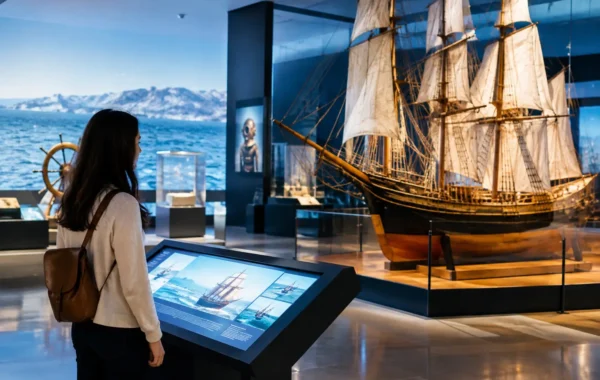
Shipwreck artefacts appear in a few different settings. Some belong to large national museums, where they are placed within broad historical collections. Others are housed in specialist maritime institutions that focus on trade, navigation and underwater archaeology. Then there are museums that do something more distinctive – presenting shipwreck ceramics and recovered cargo as the centrepiece of an immersive heritage experience.
That distinction matters. In a general museum, a jar, dish or porcelain vessel from a wreck may be important, but it can easily become one object among many. In a specialist setting, the same piece can be read properly – as part of a cargo, a route, a dynasty, a market and a moment in regional history. The strongest museums make those connections visible without turning the visit into a lecture.
If your interest lies in Asian maritime history, ceramics recovered from historic wrecks are especially compelling. These collections tell a story far beyond the vessel that sank. They reveal centuries of trade across the South China Sea and surrounding waters, showing how porcelain moved between courts, ports, merchants and households. The artefacts are beautiful in themselves, but beauty is only part of their power.
Why shipwreck ceramics hold attention so easily
Ceramics are often the objects that stay with visitors longest. Metal corrodes, wood decays and textiles rarely survive intact. Porcelain and stoneware, by contrast, can endure for centuries beneath the sea. When recovered, they often retain their form, glaze and decorative detail with astonishing clarity.
That durability gives shipwreck collections a rare visual immediacy. You do not have to be an archaeologist to appreciate them. A visitor can stand in front of a recovered blue-and-white dish and recognise, instantly, that this was once a trade object with a destination, a buyer and a place in daily life. Then the deeper story emerges – why it was made, how it travelled, and what its sinking reveals about the maritime world around it.
There is also an unusual tension in these artefacts. They were commercial goods, often produced in quantity, yet the sea has transformed them into survivors. A cargo bowl can feel both familiar and extraordinary. That is one reason shipwreck collections appeal not just to historians, but to designers, collectors and travellers looking for something visually arresting as well as culturally significant.
How to choose where to see shipwreck artefacts
If you are planning a museum visit around this subject, authenticity should come first. Look for institutions that clearly identify the wreck sites represented in their galleries and explain how the objects were recovered, dated and interpreted. Named shipwreck collections are usually a strong sign that the museum takes provenance seriously.
Presentation is the next consideration. Some visitors want a scholarly experience with extensive historical context. Others prefer a setting that balances learning with atmosphere, design and accessibility. Neither approach is wrong. It depends on whether you are visiting as a specialist, a casual museum-goer or part of a family day out.
The strongest destinations manage both. They offer reliable interpretation while keeping the experience elegant and inviting. Good display design, clear storytelling and thoughtful curation matter just as much as the objects themselves. Shipwreck artefacts deserve more than crowded cabinets and faded labels.
Location can also shape the experience. Seeing maritime collections in a historic port city often feels more resonant than seeing them in a place with little connection to seafaring trade. The surrounding architecture, harbour history and cultural landscape add texture before you even step into the gallery.
What to look for once you are there
When visitors ask where to see shipwreck artefacts, they often focus on quantity. Yet scale is not always the deciding factor. A smaller collection can be more affecting if it is well interpreted and carefully arranged.
Look first for variety within the cargo. A compelling display will show differences in form, glaze, decoration and function. Storage jars, serving dishes, bowls and fine porcelain all suggest different markets and uses. Together, they reveal the commercial logic of a voyage.
Then pay attention to chronology. Shipwreck collections become far richer when a museum explains how styles changed over time, how dynastic periods influenced production, and how trade networks shifted across centuries. One recovered ceramic may be lovely. A sequence of them can show the rise of entire maritime economies.
Finally, notice whether the museum gives equal weight to human narrative. Every wreck was a working vessel, crewed by people moving through risk and uncertainty. The most memorable exhibitions preserve that sense of lived history. Without it, the artefacts can appear detached from the drama that carried them underwater.
A more rewarding answer in Penang
For visitors seeking a refined and regionally significant answer to where to see shipwreck artefacts, a specialist collection in a historic trading city offers unusual depth. In George Town, Straits & Oriental Museum presents authentic porcelain and ceramic artefacts recovered from notable Asian shipwrecks including the Wanli, Turiang, Royal Nanhai, Nanyang, Xuande and Desaru. That breadth gives visitors something more substantial than a passing glimpse of maritime archaeology.
What sets this experience apart is not only the rarity of the collection, but the way it is framed. The museum positions shipwreck ceramics within a wider cultural journey – one that honours maritime history while embracing art, hospitality and contemporary leisure. For travellers, that creates a visit with greater texture. You are not rushing through a static display. You are spending time in a place that treats heritage as something to be encountered, discussed and enjoyed.
That integrated approach will not suit every visitor equally. Those wanting a purely academic environment may prefer a more conventional institutional setting. But for many modern museum-goers, especially couples, families and culturally minded travellers, the combination is a strength. It allows the historical experience to unfold at a more generous pace, with room for conversation, reflection and the pleasures of place.
Where shipwreck artefacts fit into a wider journey
Part of the appeal of these collections is that they enrich travel beyond the museum walls. Once you have seen a recovered cargo of ceramics, port cities look different. Shopfronts, shophouses, harbours and old trading streets begin to feel connected to the objects behind the glass. Maritime history stops being abstract.
This is particularly true in destinations shaped by centuries of exchange. Shipwreck artefacts make visible the networks that built them – trade routes, craft traditions, colonial encounters and regional commerce. They remind visitors that the sea was not a boundary but a highway, and a perilous one at that.
That sense of connection is why a well-curated shipwreck collection often lingers in memory longer than expected. The objects are still, but their stories are full of movement. They carry the energy of departure, transit, market demand and sudden loss. Few museum experiences compress so much history into forms so elegant and apparently quiet.
The best question to ask before you visit
Instead of simply asking where to see shipwreck artefacts, ask where you can see them in a way that feels alive. That is the real difference between a brief stop and a destination worth planning around.
Seek out museums that respect provenance, present maritime history with confidence and allow the artefacts to speak both as works of craft and as witnesses to trade across the region. When that balance is right, a recovered bowl or jar becomes far more than a display piece. It becomes a point of entry into the splendour, fragility and ambition of the seafaring world.
And if you find a place that can pair that depth with atmosphere, hospitality and a strong sense of setting, give yourself time to linger – shipwreck artefacts reward patience better than almost any other collection.