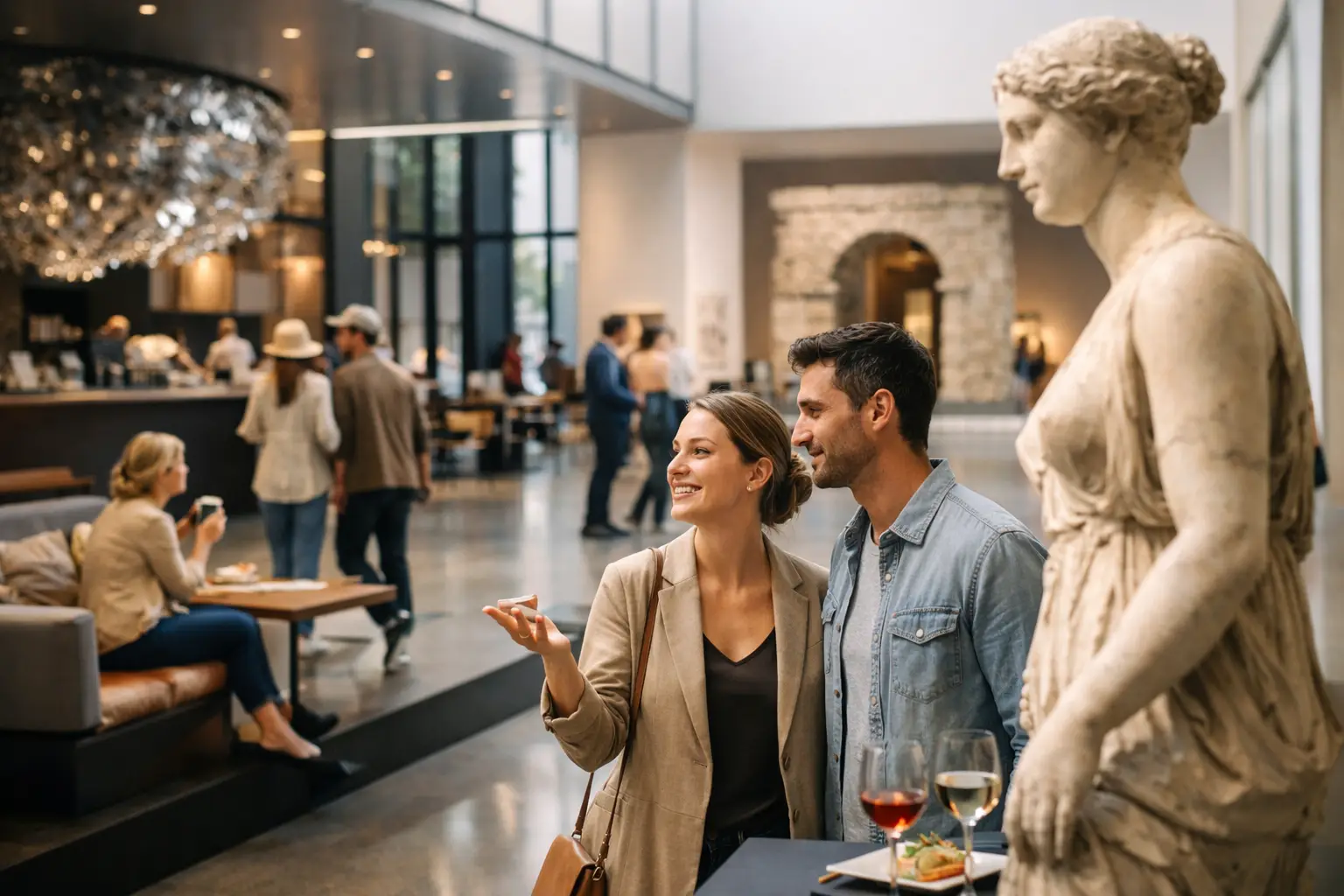

A museum visit once followed a familiar rhythm: arrive, view the galleries, perhaps browse the shop, then leave. Museum lifestyle destination trends are changing that rhythm. Visitors increasingly expect culture to anchor a fuller day – one that may include exceptional food, thoughtful design, a conversation over drinks, a special exhibition and an object worth taking home. The strongest destinations do not dilute heritage to achieve this. They give it more ways to be felt.
For travellers in places with deep historical character, this change is particularly meaningful. A museum can become the point where a city’s past, its creative present and its hospitality meet. The collection remains the reason to come, but the experience around it gives visitors a reason to stay, return and recommend it.
Why Museum Lifestyle Destination Trends Matter
The shift is not simply about adding a café beside a gallery. It reflects a more considered understanding of how people spend their leisure time. Cultural visitors want substance, but they also want their time to feel generous. They may be travelling with a partner who is less interested in archaeology, bringing children with different attention spans, or fitting a meaningful outing between lunch and an evening reservation.
An integrated destination answers these needs without asking visitors to choose between learning and enjoyment. A well-curated restaurant can extend the story of a collection through regional ingredients, tableware or a setting that encourages unhurried conversation. A gift house can offer objects with provenance and design value rather than generic souvenirs. A bar can make evening programming feel convivial while preserving the dignity of the institution.
This model is also commercially sensible. Admissions alone rarely support the full cost of conservation, research, interpretation and public programming. When dining, retail, membership and special events sit alongside ticketed entry, a museum can build more resilient income while investing in the standards that protect its collection. The balance matters: hospitality should support cultural purpose, never become a distraction from it.
The Collection Must Still Lead
The most persuasive lifestyle museums begin with something irreplaceable. No amount of attractive lighting or refined dining can compensate for a weak story. Visitors recognise when a venue has been designed as a backdrop for photographs rather than as a place of genuine discovery.
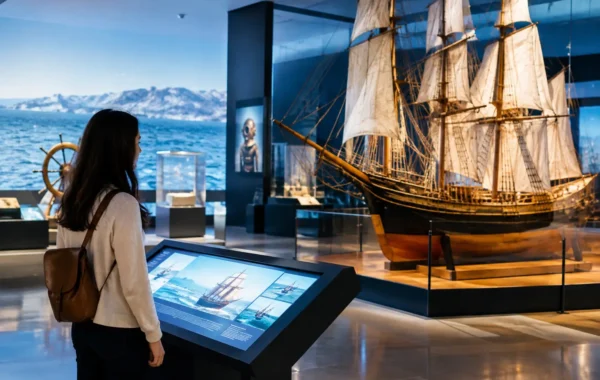
Maritime archaeology offers a particularly powerful foundation because it carries both rarity and human drama. A porcelain bowl recovered from a shipwreck is more than a beautiful object. It speaks of trade routes, craftsmen, merchants, monsoon seas, private taste and the fragile journey between one port and another. When objects are interpreted with care, visitors can see how the waters around Southeast Asia connected dynasties, markets and communities centuries before modern tourism.
At Straits & Oriental Museum, authentic ceramics recovered from notable Asian shipwrecks place this story at the centre of the experience. The Wanli, Turiang, Royal Nanhai, Nanyang, Xuande and Desaru collections offer a direct encounter with the splendour of porcelain and the maritime networks that carried it. This is the essential distinction between a decorative theme and a true heritage destination: the stories are held in the artefacts themselves.
Authenticity Creates Lasting Interest
Authenticity does not mean presenting objects in a distant or overly academic manner. It means being precise about what visitors are seeing, where it came from and why it matters. A clear label, a compelling timeline, tactile materials and intelligent exhibition design can make complex history accessible without flattening it.
For collectors, authenticity offers confidence and connoisseurship. For families, it makes history tangible. For international visitors, it creates a rare sense of place – an encounter that could not be replicated in every city. The more distinctive the collection, the less a destination needs to chase passing fashions.
Designing a Visit, Not Just a Gallery Route
Museum lifestyle destination trends favour visits that unfold in chapters. A visitor might begin with the permanent collection, pause for coffee, return for a temporary exhibition, then linger for a meal or an early evening drink. That freedom changes the atmosphere. Instead of being hurried through a prescribed route, guests can make the experience their own.
Spatial design has a central role. Exhibition areas need quiet, visual clarity and appropriate environmental control. Dining spaces need warmth and energy. Retail needs to feel considered rather than transactional. The most successful venues connect these areas through a shared visual language while allowing each to perform its own role.
This is where heritage buildings and historic districts have an advantage, provided they are treated with care. Architectural texture, natural light and a sense of arrival can make cultural discovery feel cinematic without resorting to spectacle. Yet old spaces also impose practical limits. Accessibility, conservation requirements, visitor flow and humidity control can be demanding. Good destination design works with those constraints rather than concealing them behind superficial polish.
Food and Retail Should Continue the Story
Food is often the first lifestyle element people notice, and it is easy to get wrong. A restaurant within a museum should not merely occupy convenient floor space. Its menu, service and atmosphere should feel appropriate to the institution’s character. This does not require historical costume or literal recreations. It calls for a point of view.
In a maritime museum, that point of view might be expressed through ingredients shaped by coastal exchange, dishes made for sharing, or a table that invites guests to discuss what they have just seen. The connection can be subtle. What matters is that the transition from gallery to dining room feels intentional.
Retail deserves the same discipline. Visitors are increasingly selective about what they buy while travelling. They favour objects that are useful, beautiful or genuinely connected to a place: art books, considered homewares, exhibition catalogues, pieces by regional makers and collection-inspired gifts. A gift house becomes part of the educational experience when it encourages continued curiosity after the visit.
Programming Turns Interest into Affection
A permanent collection gives a museum authority; programming gives it a pulse. Talks, curator-led tours, collector conversations, family workshops, artist collaborations and seasonal menus can create reasons to return. They also allow a museum to welcome different audiences without changing its core identity.
The most effective programmes are specific. A lecture on export porcelain, for example, can draw enthusiasts who want scholarly depth. A guided session around shipwreck stories can help first-time visitors find an accessible way into the collection. An evening gathering can appeal to local residents looking for culture beyond the usual dinner plans. Each format should have a clear purpose and respect the intelligence of its audience.
There is a useful caution here. A packed events calendar can create noise rather than loyalty if every occasion feels interchangeable. Fewer, well-produced programmes with a strong connection to the collection are more likely to leave an impression. Heritage is not a blank stage for any activity. It is the standard against which every activity should be measured.
A Destination Must Belong to Its Place
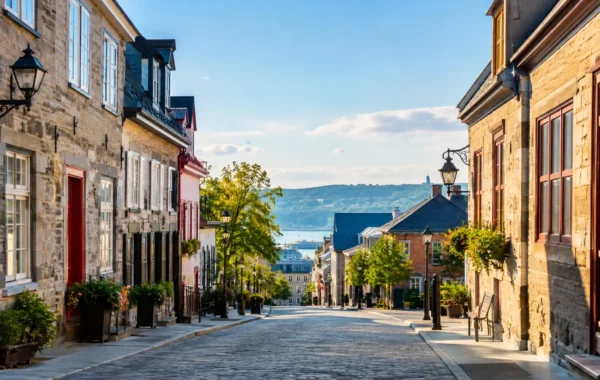
The lifestyle museum succeeds best when it is rooted in its surroundings. In George Town, maritime history is not an abstract subject. The Straits have long carried people, ideas, goods and artistic influences between Asia and the wider world. A museum focused on shipwreck ceramics can therefore offer more than a display of rare porcelain. It can help visitors read the city, its trading past and its layered cultural life with sharper eyes.
For tourists, this makes the visit a meaningful part of an itinerary rather than an isolated attraction. For residents, it provides a cultural meeting place that can be returned to across the year. The ambition is not to turn every museum into a leisure complex. Some collections are best experienced in quiet, focused settings. But where the history is rich and the hospitality is thoughtfully done, an integrated model can give heritage a wider and more enduring public life.
The next time you choose a cultural outing, look for the place where the story continues after the gallery. The most memorable museums leave you with more than photographs: they leave you with a sharper sense of the journeys, objects and people that shaped the place around you.